

Seductive Chatbots, Gen Z Insights, Morality in America, Gorgeous CDMX, Black Humor
Conversations of the Week: May 29, 2026

Morality in crisis
Gallup released an interesting new poll, showing that most Americans agree “moral values” in the country are getting worse.
Americans’ views on the overall state of moral values in the U.S. have worsened over the past year, with negative assessments of current conditions and the direction that values are headed both rising sharply. A record-high 56% of Americans rate moral values in the U.S. as “poor,” up 12 percentage points from last year, and 80% say moral values are “getting worse,” up 14 points.
The May 1-17 Gallup survey finds that 69% of U.S. adults believe government policies have a significant effect on people’s moral values. Yet, the public is divided over what the government’s role should be, with 50% saying the government should not be involved in promoting moral values and 45% saying it should.
Republicans and Democrats broadly agree that the country’s moral values are in poor shape and that government policies have a significant effect on them. However, more Democrats than Republicans say moral values are getting worse. Most Republicans support federal government involvement in promoting moral values, while most Democrats are opposed.
The term “moral values” is doing a ton of work here, and I suspect respondents are thinking of entirely different things when they use the term, a common hazard of surveys. I immediately picture the kind of role models and leaders we have in the government today (please do not get me started), and my conclusions are that things are appalling. But I am sure that many other people are thinking about policies on particular issues of public concern.
As Tom Lyon rightly commented: “We need more public discussion of values so we can recover some shared ones. I suspect this article merely captures polarization, with people saying the “other side” has poor values but they are righteous.”
Indeed. One thing I find fascinating about this period is how overwhelmingly salient ethical questions are, even at a time when business and political leaders have mostly abandoned all pretense of caring about them.
Here’s the survey.

Insights from my undergraduate students
A few weeks ago I wrote about how Gen Z sees ethics, and how they may reshape the future. I asked some of my students to respond. You will see how thoughtful and nuanced they are. Actually, I am teaching a summer section of Professional Responsibility and Leadership (over Zoom!) to 16 seniors right now and have been so overwhelmed by how thoughtful and wise they are. Every time I read articles about how entitled, coddled, and lost in social media Gen Z is, my hackles rise. Come spend time with me in the classroom. You will see something much more complex and nuanced.
For a glimpse of this, here are essays from Eleni Iacovou and Alice Totaro. I have one more I will share next week!
Here is Eleni:
Once you see the gap between being shown as included and being actually consulted, a contradiction that older generations often find puzzling about GenZs begins to make sense — how we can appear to demand inclusion and resent it in the same breath. The paradox dissolves the moment you stop assuming that visibility and authority travel together. They no longer do and in many institutional settings they may even move inversely: the more visible a cohort becomes, the less actually consulted it tends to be.
Here is Alice:
We dually use and compete against AI in job applications, and then as this article tells me, we sabotage its implementation in the job we land. It’s disheartening, really, and it feeds into the “zero-trust economy” that you discuss. Our college education and entry-level positions are supposed to grow us into better people for the world who will contribute meaningfully to the economy, but as we work to train tools that could one day replace us, and struggle to pay our rent doing so, that assurance crumbles.
Seriously, read Semafor
I get a lot of morning newsletters, as many of us do. Semafor increasingly stands out for being smart, thoughtful, succinct (but with all the links you need to go deeper), and with consistently excellent judgment over what makes a good story. When everyone else seems to focus on the same narrow set of topics, it is outstandingly fresh.
I particularly appreciated this week’s deep dive into how Russia has recruited young Africans into its military “meat grinder,” often using deceptive tactics. It’s horrible, and depressingly under-reported.
The company has also managed to make its April CEO event in DC unmissable, in a remarkably short space of time. Davos doesn’t stand a chance.
Anyway, read Semafor!
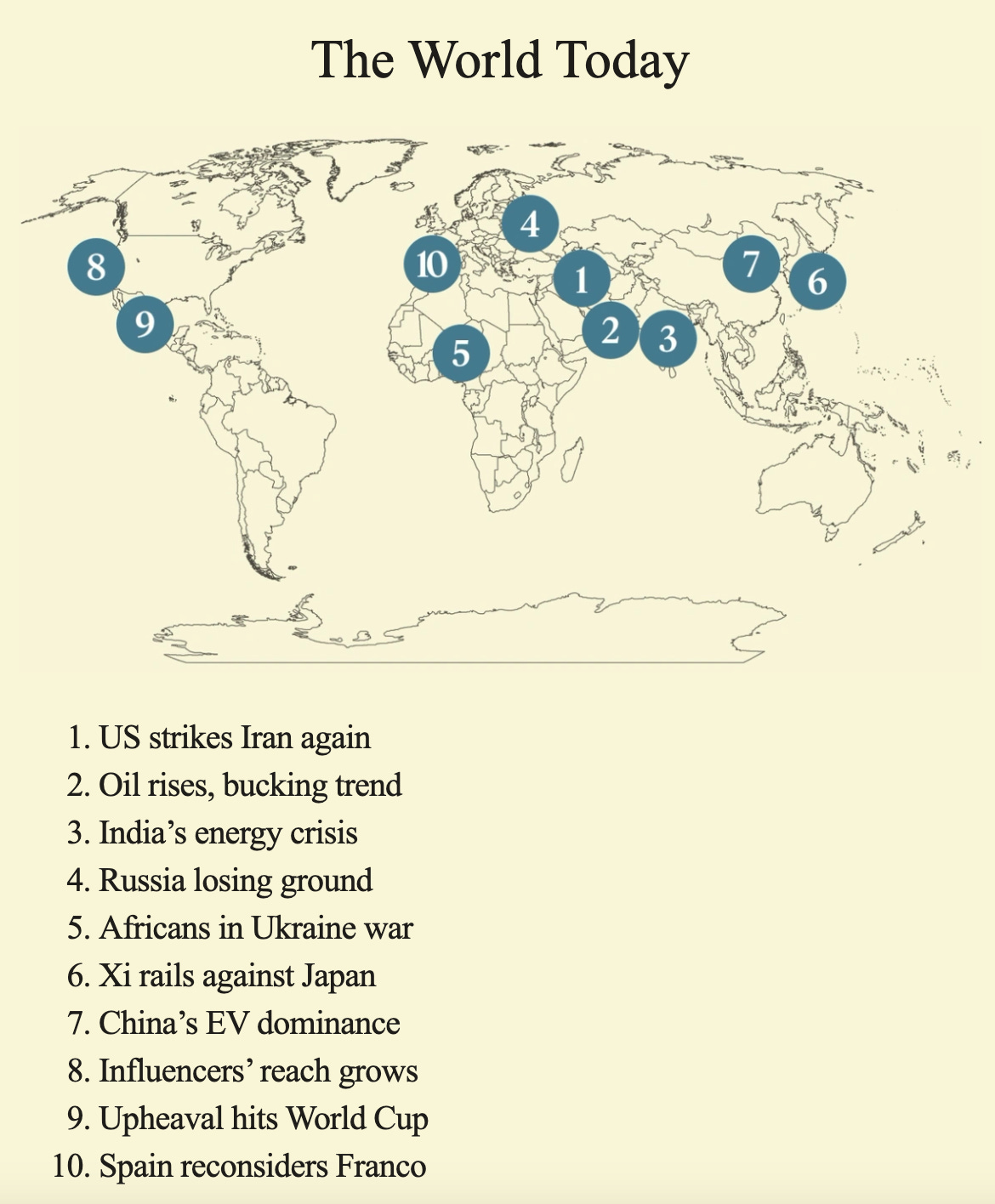
Dark humor, because there is no light humor anymore
This video is worth a moment of your time:

Then, there is this. By far my most popular post of the week:
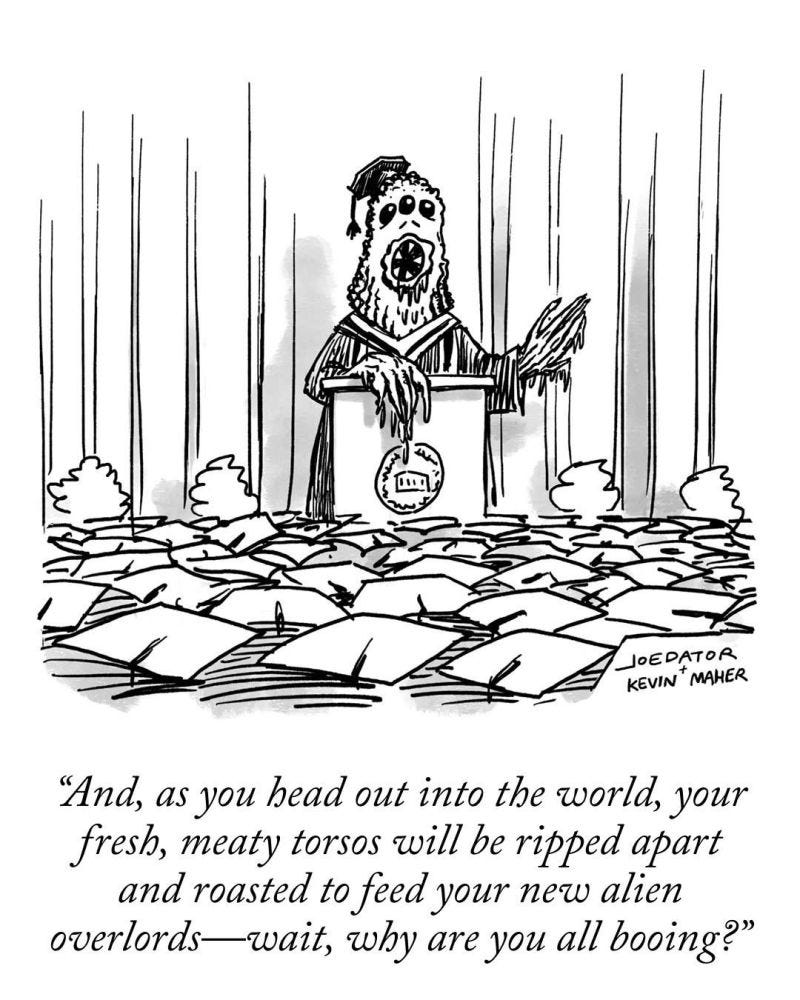
The chatbot made me do it
It seems “the chatbot made me do it” is the new “what was she wearing?” This article in The Atlantic (gift link) is astonishing. The framing of LLMs as “seductive” and female is so revealing. Did you see Richard Dawkins embarrass himself on his budding romance with “Claudia”?
During our conversation, Rosenbaum struggled to reconcile AI’s sometimes staggering capacities with its penchant for head-scratching hallucinations—such as an imaginary quote from the tech journalist Kara Swisher that he included in the book without verifying it. In recent days, he has come to feel “seduced and betrayed” by AI, suggesting at one point that it might have undermined him on purpose. “Depending on your paranoia level, it’s either quirky or evil or sneaky,” he said.
MY DUDE. ÌT IS NOT THAT HARD. ASK IT FOR THE SOURCE AND THEN ACTUALLY READ WHAT IT GIVES YOU. THAT’S WHAT WRITING A BOOK INVOLVES.
Unreal.
For more context, here is New York Magazine, pointing out that all of this is a massive reckoning for non-fiction publishing. You only find this out when you write a book, but publishers do not fact-check work, and all responsibility rests on the author. In this context, Rosenbaum is the unfortunate poster child for a much bigger problem. That said, I am only somewhat sympathetic, as someone who spent endless sleepless nights worrying about factual errors in my own book. Perhaps “authors” should worry more and delegate less?
“Some agents and editors are keeping this front of mind as they sign new clients, spending more time vetting writers for their human expertise. “If I’m getting you a six-figure book advance, I don’t want you to be putting it into ChatGPT,” said a top literary agent. “Go to the fucking library.””
Well, quite.

I am in Mexico City!
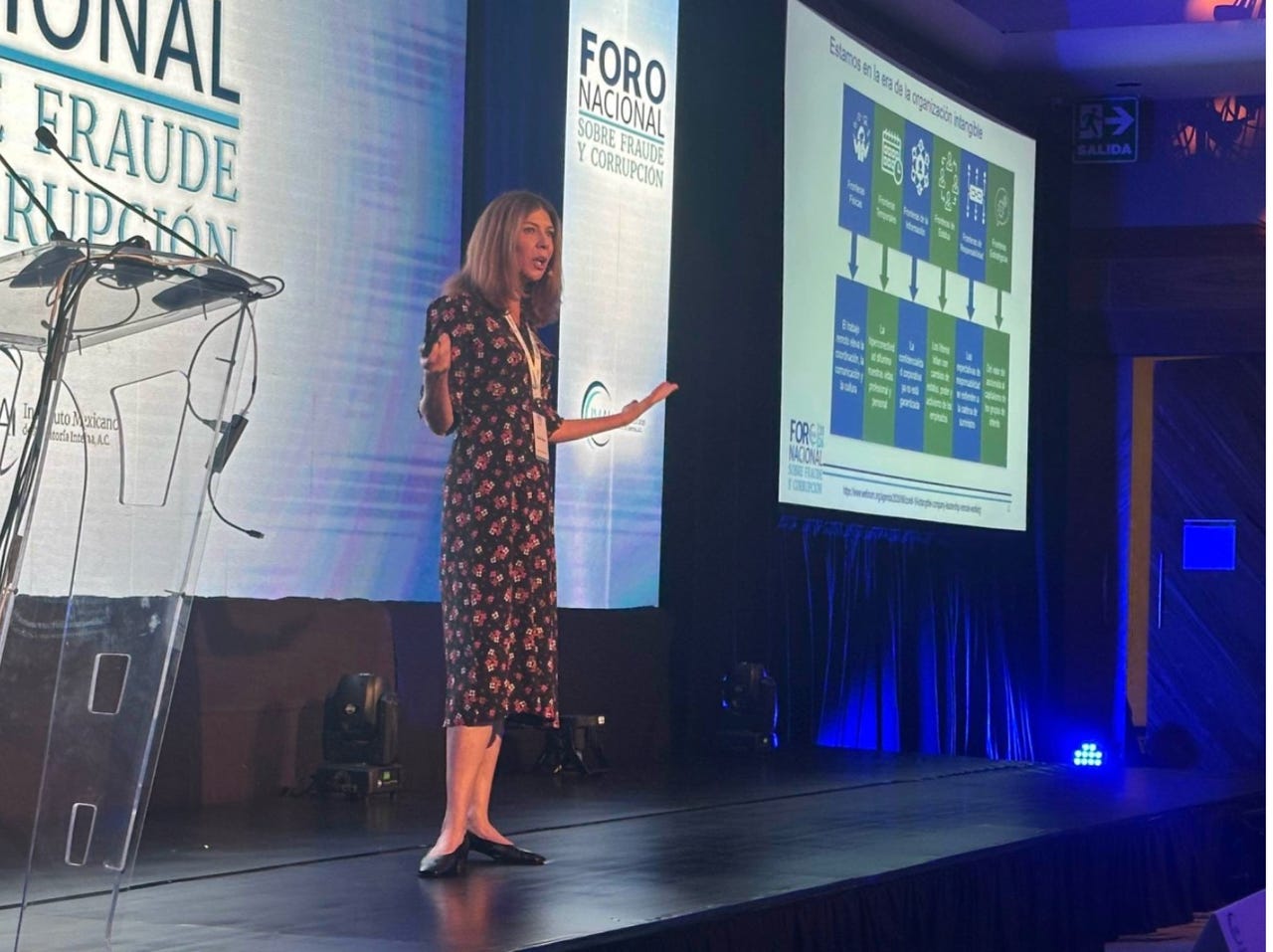
I have been having a blissful week in CDMX, after coming to give the opening keynote at Foro Nacional on fraud and corruption. Here I am!
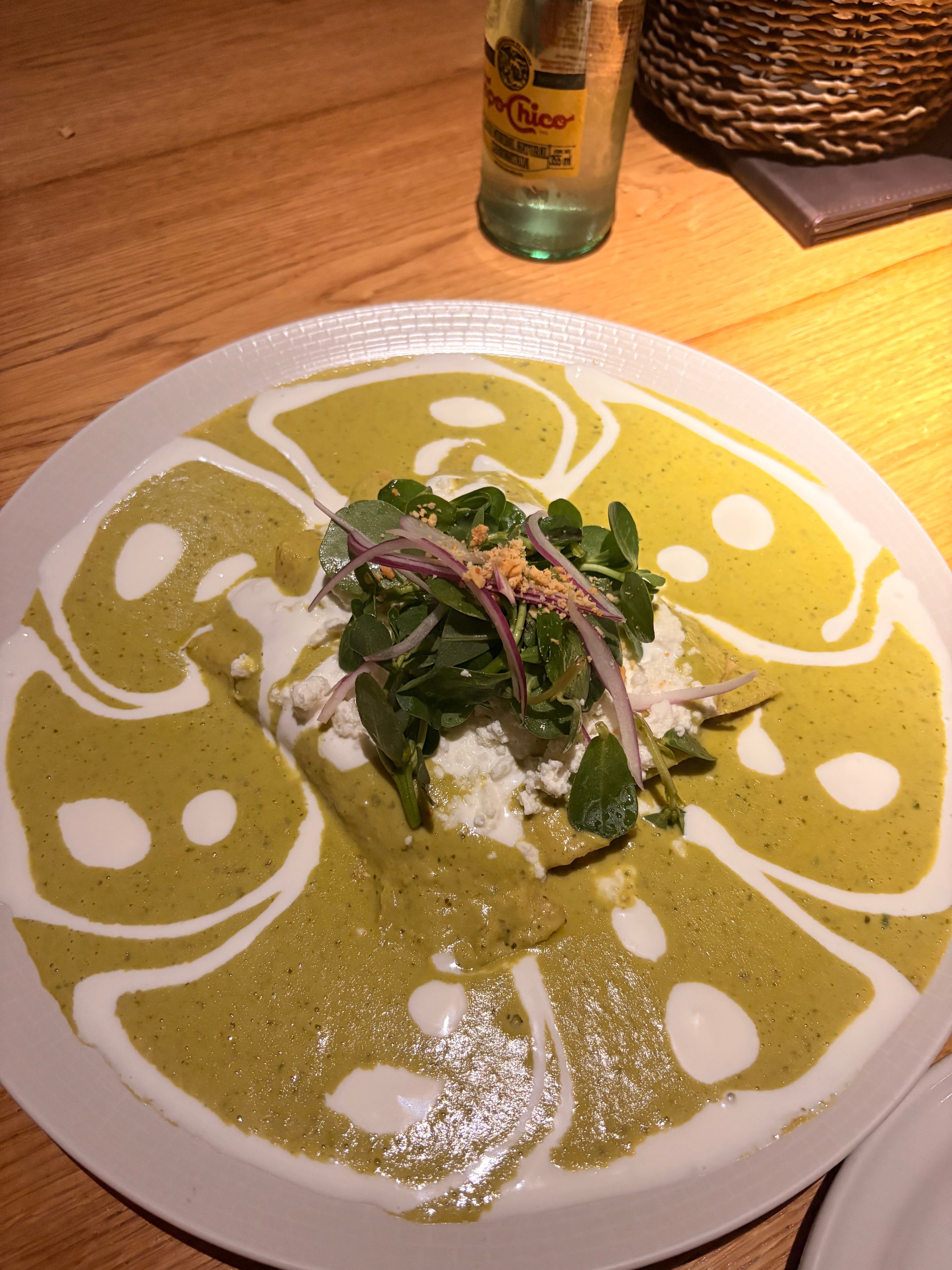
And of course, eating and drinking my way through the city….
I also got to visit my absolute favorite museum in the world. It’s so overwhelming. I think this was my fourth visit, and I have yet to make it to the second floor!

I am speaking at some upcoming online events, and you are welcome to join!
You can register for the 2026 Executive Communication Summit (virtual) June 23-25 where I’m giving a talk called Executive Communication Reorientation: A Clear-Eyed View of the Moment We Are In—and a Strategy for Dealing With It.
I am speaking on a webinar next week about communication challenges for companies as we head into midterm season in the US. Oh, there are a few. Delighted to have a chance to hear from Paul Argenti at Dartmouth, who always has such an interesting take. Register here.
Next Thursday I am also off on a long trip to London, Barcelona, and Copenhagen. Some family, mostly work. Hope to catch some of you along the way!
Last, but not least, my dear friend Stephanie has just launched her own Substack, and I urge you to read this deeply personal and beautiful essay about divorce, loss, resilience, and reclaiming your power and freedom. My own extremely painful divorce was finalized a week ago, and this could not resonate more.
Read it!

Have a fantastic weekend!
Alison XX